Artificial Intelligence Robot Face Graphics & Illustrations
As a digital product creator who’s launched over 200 Etsy listings—and scaled print-on-demand collections across Creative Fabrica, Shopify, and Redbubble—I tested Artificial Intelligence Robot Face last week while prepping a “Tech & Play” seasonal bundle for back-to-school and STEM-themed merchandise. My goal wasn’t just to download and drop it in—my goal was to see whether this illustration holds up under real selling conditions: thumbnail clarity, mockup versatility, commercial adaptability, and consistent brand alignment.
First Impression: Clean, Friendly, and Quietly Modern
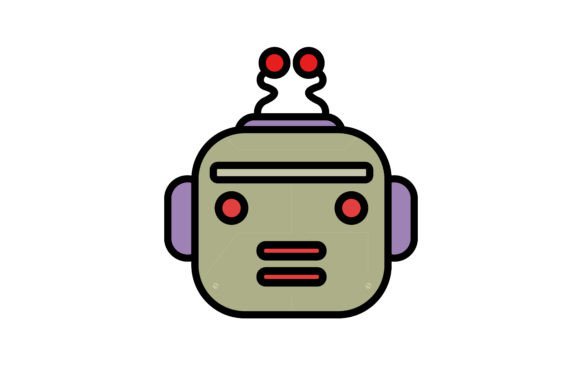
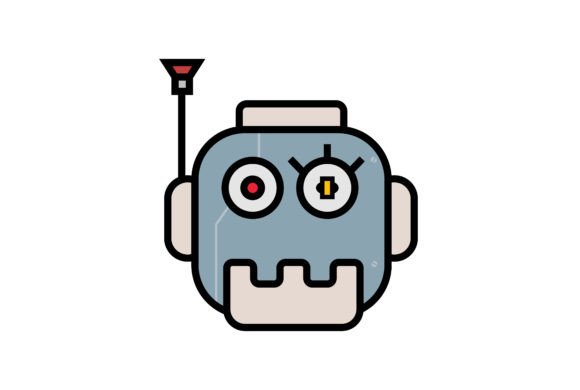
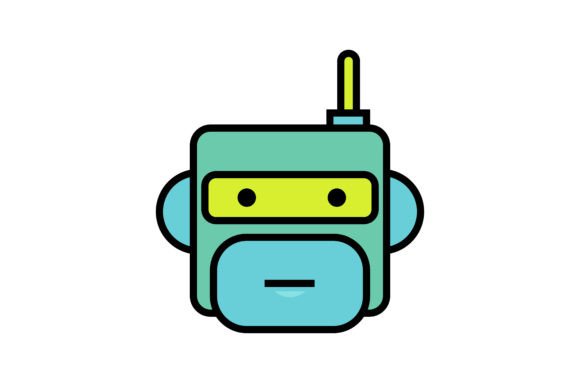
The Artificial Intelligence Robot Face lands as approachable—not cold or overly technical. It reads as friendly AI: rounded contours, subtle gradients, expressive but neutral eyes, and balanced negative space. It avoids cartoonish exaggeration *and* sterile minimalism—landing instead in that sweet spot for educators, indie tech bloggers, small business branding kits, and crafters building playful yet professional visual identities. It leans modern, slightly futuristic, and gender-neutral—making it equally viable for nursery wall art, coding camp flyers, or planner sticker sheets.
Where This Graphic Design Asset Fits Naturally
I ran Artificial Intelligence Robot Face through seven real product workflows:
- SVG design for Cricut and Silhouette users—it cut cleanly on my test machine with no stray nodes or overlapping paths;
- PNG design with full transparency, ideal for Canva templates, blog graphics, and social media banners;
- Sublimation design mockups on mugs and tumblers—held detail well at 300 DPI;
- Printable design for planner stickers and greeting cards (tested both matte and glossy paper stocks);
- T-shirt design layered over distressed textures and solid-color tees—scaled beautifully from youth S to adult 3XL;
- Digital download inclusion in a “STEM Clipart Bundle” with circuit icons, code brackets, and robot limbs;
- Product mockup integration into lifestyle shots—paired with a laptop, notebook, and coffee mug for cohesive Etsy listing visuals.
It performed especially well in themed bundles. When grouped with minimalist tech icons and soft-tone backgrounds, the Artificial Intelligence Robot Face became a visual anchor—adding warmth without cluttering the composition.
What Makes It Work for Marketplace Listings
Etsy shoppers scroll fast. Thumbnail appeal is non-negotiable. At 200×200 pixels, the Artificial Intelligence Robot Face retained recognizability—its silhouette and eye shape read clearly even when shrunk. That directly impacts click-through potential. I also used it across three listing images: hero mockup (on a framed printable), context shot (as part of a Canva template preview), and detail close-up (showing SVG layer structure). That consistency strengthened perceived value and reinforced brand identity across the collection.
For small business branding, it supports visual hierarchy without demanding attention. Place it beside clean sans-serif headings or paired with a warm handwritten font for invitations—and it complements rather than competes. It doesn’t shout; it invites. That makes it useful for packaging design, email headers, and blog graphics where subtlety builds trust.
Where to Use It Carefully
This isn’t a one-size-fits-all asset—and that’s okay. I flagged four scenarios where extra testing is essential:
- Tiny sticker details: The subtle gradient in the face panel lost definition below 0.75 inches—so I recommended using the flat-color version for micro-sticker sheets;
- Dark background contrast: On navy or charcoal mockups, the default gray tones faded—so I adjusted brightness and added a light stroke in Canva before final export;
- Text-heavy templates: When layered over busy patterns or dense copy blocks, it softened the visual hierarchy—best used as a standalone focal point or with ample breathing room;
- Cricut projects requiring precision cuts: While the SVG cut cleanly on my Maker, I double-checked all anchor points in Design Space—especially around the eye highlights—to avoid jagged edges on vinyl applications.
Practical Seller Notes Before You List
Before adding Artificial Intelligence Robot Face to your shop, do these six things:
- Test it on at least two mockup types—one light, one dark background;
- Preview your Etsy thumbnail at actual size (not zoomed) to confirm legibility;
- Verify PNG transparency by placing it over checkerboard and solid-color layers;
- Confirm the commercial license explicitly permits finished product resale—no attribution required;
- Organize files clearly for customers: “AI_Robot_Face_SVG”, “AI_Robot_Face_PNG_300DPI”, etc.;
- Pair it live with at least three font families—serif (e.g., Playfair Display), sans serif (e.g., Inter), and script (e.g., Pacifico)—to see which reinforces your niche best.
Are you looking for a robot face clipart illustration? Then this artificial intelligence vector may be just right—if your audience values clarity, calm futurism, and quiet professionalism over flash or gimmick. Does it “amaze your customers with AI logo design sign”? Not alone—but paired thoughtfully with strong typography, intentional spacing, and authentic storytelling, Artificial Intelligence Robot Face becomes a reliable, scalable piece of your creative marketplace toolkit.
It won’t replace strategy—but it does elevate execution. And for digital product creators juggling dozens of assets per launch, that reliability is worth more than novelty. Whether you’re building a printable wall art collection, a sublimation-ready tumbler wrap pack, or a Canva template suite for tech educators, this illustration delivers consistent performance across formats—without demanding constant fixes or workarounds.
That’s the kind of graphic design asset that earns repeat use. And in the long game of digital selling, that’s how you build momentum—not with one viral hit, but with ten dependable, well-tested, commercially ready Illustrations like this one.