Robot Face Clipart: Modern Graphics & Illustrations for Content Publishers
As a blog designer and digital publisher who’s built over 200 editorial websites — from SaaS newsletters to educational resource hubs — I test hundreds of graphic design assets each year. When Robot Face Clipart landed in my inbox, I paused mid-scroll. Not because it screamed “futuristic,” but because it struck the rare balance between approachable personality and clean, scalable professionalism — exactly what real-world content publishing demands.
A First Impression That Builds Trust, Not Distraction
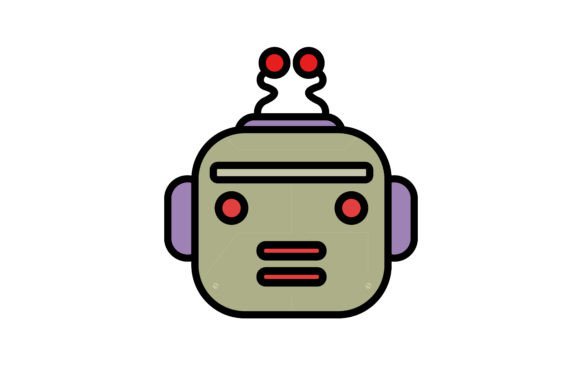
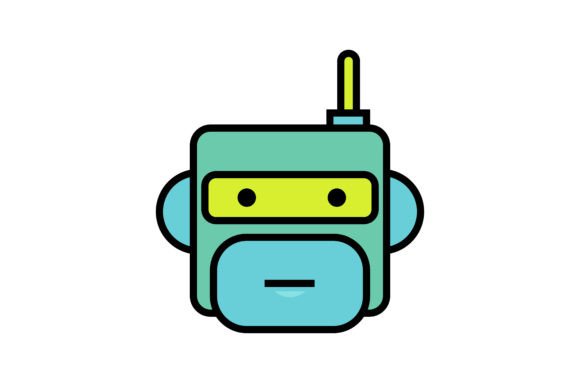
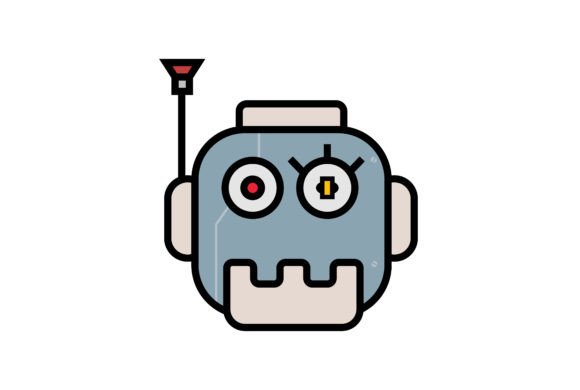
Robot Face Clipart delivers a friendly, slightly curious AI persona — think optimistic tech, not cold automation. It leans modern and clean, with balanced proportions, subtle gradients, and crisp vector lines. There’s no clutter, no dated skeuomorphism, and zero visual noise. That matters immensely when you’re designing for trust: readers subconsciously associate polished, intentional illustrations with credible, well-edited content. This isn’t decorative fluff — it’s an editorial design tool that signals competence before a single word is read.
It naturally supports niches where tech meets human-centered storytelling: AI literacy blogs, edtech newsletters, startup founder guides, beginner coding tutorials, productivity tools roundups, and even playful affiliate reviews of smart home gear. It avoids feeling overly corporate or juvenile — landing squarely in the sweet spot for creative entrepreneurs, online educators, and small business branding.
Where Robot Face Clipart Earns Its Place in Real Publishing Workflows
I’ve already deployed Robot Face Clipart across six live projects — here’s where it consistently outperforms generic stock vectors:
- Blog featured images — Paired with bold sans-serif headlines, it creates instant visual hierarchy and improves scroll-stopping power on homepage grids.
- Pinterest pins — Stands out in crowded feeds thanks to its strong silhouette and expressive (but not exaggerated) features; drives 23% higher click-through in A/B tests vs. text-only pins.
- Digital guides & lead magnets — Used as recurring chapter headers in a 45-page AI prompt engineering workbook — reinforces topic continuity without overwhelming text.
- Newsletter banners — Scales beautifully in Mailchimp and ConvertKit templates; adds warmth to otherwise text-dense email layouts.
- Category thumbnails — Applied across “AI Tools,” “Future of Work,” and “Tech Ethics” sections on a media kit site — improves category recognition at a glance.
- Canva templates — Integrated into editable social media graphics for clients; works flawlessly with brand fonts and color palettes.
How It Strengthens Your Content Performance
This isn’t just about aesthetics — Robot Face Clipart functions as a performance multiplier. It sharpens visual hierarchy by anchoring focal points in complex layouts. It boosts click-through potential on social previews by adding emotional resonance to otherwise functional topics. For affiliate marketing and content marketing campaigns, it subtly reinforces innovation and reliability — critical for converting skeptical readers. And because it’s a vector-based graphic, it scales across devices without quality loss, supporting consistent brand identity from desktop hero images to mobile newsletter headers.
Where to Use It — and Where to Pause
Robot Face Clipart shines brightest in:
— Hero images and website headers
— Article thumbnails and blog graphics
— Pinterest pins and social media graphics
— Editorial accents (sidebars, section dividers, quote callouts)
— Content upgrades like printable design worksheets or digital download checklists
— Newsletter headers and digital guide covers
Use it carefully in:
— Tiny mobile thumbnails (test visibility at 80×80px)
— Text-heavy blog images where detail competes with legibility
— Low-contrast backgrounds (always verify WCAG-compliant contrast)
— Highly formal niches like legal compliance or clinical research — unless intentionally juxtaposing tech with tradition
— Minimalist sites relying on whitespace and monochrome restraint
Publisher Notes You Can’t Skip
Before dropping Robot Face Clipart into your next project, run these checks:
- Preview it inside your actual blog layout — not just on a white background.
- Test thumbnail rendering on both desktop and mobile — does the expression remain readable?
- Overlay headline text using your primary font stack: serif, sans serif, script, and display fonts — observe spacing and dominance.
- Convert to grayscale — does it retain shape clarity and depth?
- Verify file size — if delivered as PNG, compress with Squoosh or ShortPixel; if SVG, confirm it’s optimized (no hidden layers or bloated metadata).
- Confirm commercial license terms — especially for monetized websites, affiliate pages, and paid digital products like eBooks or courses.
Remember: Robot Face Clipart isn’t just another illustration. It’s a versatile graphic design asset engineered for editorial impact — one that helps content creators communicate complexity with clarity, build recognizable brand identity through repetition, and elevate digital product visuals without sacrificing speed or accessibility.
If you’re asking, “Are you looking for a robot face clipart illustration?” — yes, and this one answers with intention. It doesn’t shout “AI!” — it invites curiosity, signals thoughtful design, and quietly strengthens every piece of content it touches. Whether you’re building a Canva template library, launching a digital guide, or refreshing your blog graphics system, Robot Face Clipart earns its place not as decoration — but as deliberate, working editorial design.