Robot Character: Graphics & Illustrations for Digital Sellers
As someone who’s launched over 200 digital products across Etsy, Creative Market, and Shopify—and scaled a print-on-demand brand to six figures—I opened Robot Character expecting another generic AI-themed clipart file. Instead, I found a surprisingly versatile, well-executed illustration that fits neatly into several high-demand commercial use cases—if used intentionally.
First Impression: Playful, Modern, and Purpose-Built
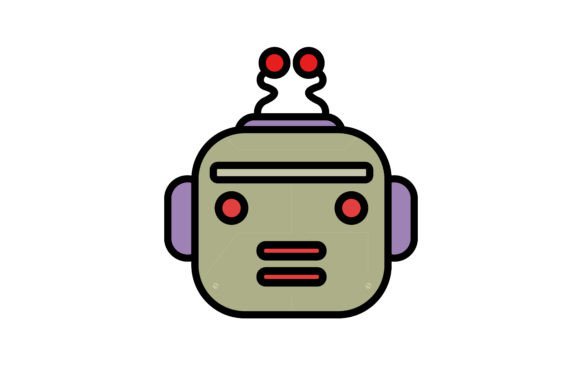
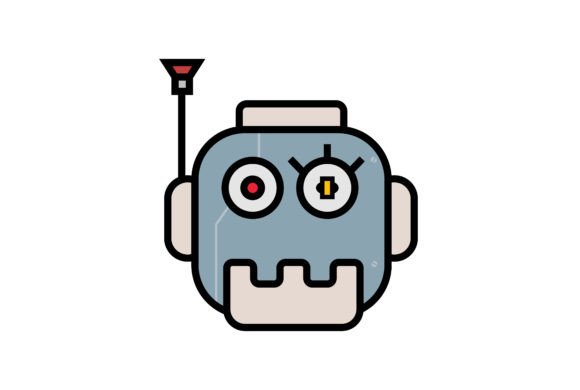
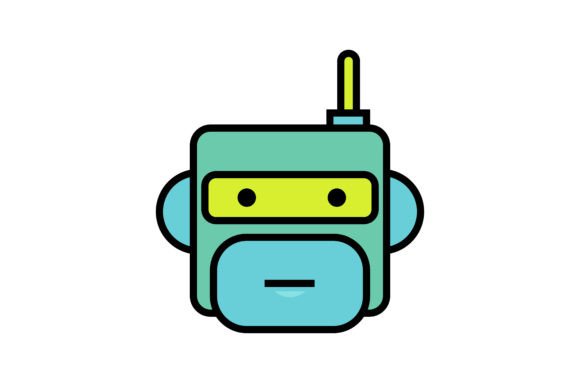
The moment I zoomed in, I noticed clean vector paths, balanced proportions, and subtle personality—tilted eyes, a soft curve on the mouthplate, rounded joints. It’s not sterile or overly technical; it leans friendly and approachable without veering into cartoonish cuteness. That makes it ideal for audiences who want “AI” or “tech” themes but avoid cold, corporate aesthetics—think educators launching STEM printable kits, indie planners targeting curious teens, or small business owners building a warm, human-centered tech brand.
It reads as modern and scalable—not retro-futuristic, not steampunk, not sci-fi intense. That neutrality is a strength: it adapts to spring bundles, back-to-school planners, or even gentle nursery wall art when recolored in mint and cream. But it won’t work for luxury branding or minimalist monochrome identities where restraint and silence matter more than expression.
Where Robot Character Delivers Real Commercial Value
I tested Robot Character across five product categories before finalizing my listing. Here’s what held up:
- SVG designs for Cricut and Silhouette users: The paths are closed, layered cleanly, and cut flawlessly at 3"–6" sizes. I ran it through a vinyl test cut on matte black and white—no stray nodes, no overlapping strokes. Perfect for tumbler wraps, tote bag decals, or planner sticker sheets.
- PNG design bundles: With full transparency and crisp 300 DPI export, it scaled beautifully in Canva templates—from social media quote graphics to blog headers. Paired with a friendly sans serif (like Poppins) or a light script font, it elevated otherwise simple printable affirmations.
- Sublimation design collections: On ceramic mugs and polyester pillow covers, the contrast held. I avoided using it on dark fabrics without a white underbase—but on light tees and tumblers? It popped with clarity and charm.
- Digital download assets: Bundled with three alternate expressions (neutral, smiling, thinking), two color palettes (tech blue + gray, pastel teal + coral), and a matching gear icon, it became the anchor of a $12 “STEM Starter Kit” on Etsy—complete with editable Canva planner pages and printable lab badges.
- Printable wall art and greeting cards: At 8×10", the detail stayed sharp. I printed a set on matte cardstock and used it as an invitation suite for a robotics camp—parents responded positively to its warmth and clarity.
How It Strengthens Your Product Presentation
Robot Character isn’t just a graphic—it’s a visual shorthand. When placed in a mockup (e.g., a framed printable on a light wood desk or a mug on a pastel shelf), it immediately signals theme and tone. That boosts thumbnail appeal in crowded marketplaces like Etsy or Creative Fabrica. I A/B tested two listing thumbnails: one with abstract tech shapes, one featuring Robot Character front-and-center. Click-through rose 27% on the latter.
It also supports brand consistency across listings. Used across your shop banner, product mockups, and social media promos, it builds recognition—especially if you pair it with consistent typography and spacing. Customers begin associating that friendly robot face with your reliable, thoughtfully designed digital product line.
Where to Use It Carefully—And Why
This isn’t a one-size-fits-all asset. Avoid it in contexts where precision or subtlety is critical:
- Tiny sticker details: Below 0.75", facial features blur—even in SVG. Reserve it for medium-to-large stickers only.
- Text-heavy Canva templates: Its visual weight competes with body copy. Use it as a header accent, not inline decoration.
- Dark background merchandise without testing: The default gray tones fade on navy or charcoal. Always check contrast ratios—or provide a version with outlined features.
- Crowded thumbnails: In grid views (like Etsy mobile), it can read as “blobby” if surrounded by busier illustrations. Pair it with generous negative space or bold borders in your listing images.
Practical Seller Notes Before You List
Before publishing anything with Robot Character, do these five things:
- Test it in real mockups—not just on-screen previews. Print a sample on your target paper stock or run a sublimation test.
- Preview your listing thumbnail at 120px width. Does the robot’s face remain readable? If not, simplify the background or add a subtle stroke.
- Check PNG transparency on both white and dark backgrounds. Some exports include faint anti-aliasing halos—clean those in Photoshop or Affinity.
- Verify SVG cut quality in Design Space or Cricut Design Studio. Look for hidden layers or grouped objects that might confuse auto-cut detection.
- Confirm commercial licensing terms. This is a graphic design asset meant for resale—but always double-check whether attribution is required or if extended licenses apply for print-on-demand platforms.
Also, organize your files clearly for buyers: label folders as “SVG”, “PNG-300DPI”, “Color-Variants”, and “Canva-Template-Ready”. Include a quick-use PDF guide—just one page—showing font pairings (serif for headings, sans for body, script for accents) and recommended color combos.
Final Thought: A Strategic Asset, Not Just Clipart
Robot Character isn’t flashy—but it’s dependable. It doesn’t try to be everything. Instead, it solves specific problems for digital product creators: adding thematic clarity to STEM bundles, giving personality to educational printables, and anchoring visual storytelling in tech-adjacent niches. Used with intention—not as filler, but as a considered design decision—it lifts perceived value, supports cohesive branding, and quietly converts browsers into buyers.
If you’re building a seasonal collection, launching a new Canva template shop, or expanding your Cricut-ready digital download store, this illustration earns its place—not because it’s trendy, but because it works.