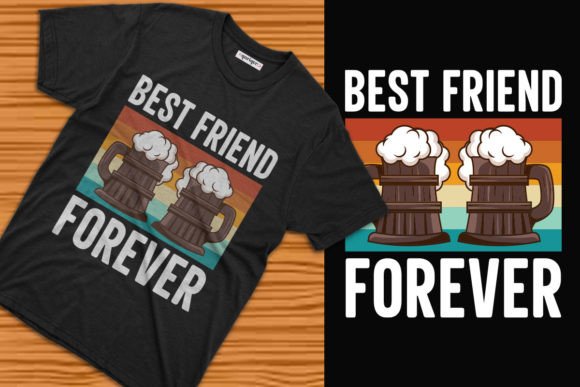
Best Friend Forever Oktoberfest T-shirt
A Designer’s First Look: Festive, Friendly, and Ready for Stitching
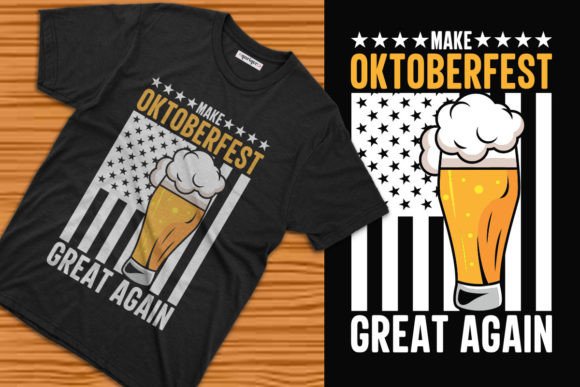
When I opened Best Friend Forever Oktoberfest T-shirt for the first time, I didn’t see just another holiday graphic—I saw a cheerful, slightly cheeky invitation to connection. The design balances Bavarian charm with modern friendship energy: think lederhosen accents softened by rounded lettering, a subtle pretzel motif tucked beside “BFF,” and warm, earthy tones that feel handmade rather than mass-produced. It’s not overly detailed, but it’s intentional—clean lines, generous spacing, and a centered layout that naturally draws the eye without crowding. As an embroidery designer who’s stitched everything from baby onesies to boutique aprons, I immediately pictured this on a natural linen tote bag for a local craft fair—sturdy fabric, visible texture, and a design that reads clearly at arm’s length.
Where This Design Shines in Real Embroidery Projects
Best Friend Forever Oktoberfest T-shirt works beautifully across a range of tactile, small-batch applications. On medium-weight cotton sweatshirts? Yes—it holds shape without puckering, especially when paired with a light cutaway stabilizer. On tea towels or kitchen aprons? Absolutely. The balanced negative space lets the stitching breathe, and the friendly theme aligns perfectly with gift-worthy, home-focused handmade products. I recently tested a scaled-down version on a baby-sized gauzy swaddle—using soft pastel thread and a gentle tear-away stabilizer—and the result felt personal, warm, and unmistakably human-made.
For Etsy sellers and small shop owners, this design bridges seasonal relevance and evergreen appeal. It’s not *just* for Oktoberfest—it’s for friendship anniversaries, reunion gifts, brewery merch, or even wedding party favors (imagine it on matching denim jackets). As a machine embroidery design, its simplicity makes it fast to stitch, which matters when you’re juggling custom orders or prepping for a holiday market. And because it’s categorized under T-Shirt Designs and Graphics, it transitions easily into digital embroidery files for mockups—ideal for previewing on product listings before stitching a single thread.
Where to Proceed With Care
Like any well-intentioned design, Best Friend Forever Oktoberfest T-shirt has boundaries—and recognizing them is part of professional judgment. Avoid using it on highly textured fabrics like bouclé or heavy terry cloth unless you’ve tested stitch density and stabilizer pairing first. On thin or stretchy knits (think lightweight tees or baby rib), the lettering can blur if hoop tension isn’t precise or if fill stitches are too dense. Curved surfaces—like the front panel of a structured cap—require careful digitizing adjustments; as-is, this design assumes a flat, stable embroidery field.
The pretzel icon and “Oktoberfest” script sit comfortably at 3–4 inches wide, but shrink it below 2.5 inches and the inner details risk collapsing. Tiny corners, fine outlines, or delicate serif flourishes aren’t present here—but that’s a strength, not a flaw. Still, if you plan to use it on dark fabric, test thread contrast early: gold or mustard thread pops beautifully against navy or charcoal, but off-white may disappear. And remember—while it’s labeled “fully customizable,” always confirm whether your file includes editable layers for applique design, satin stitch borders, or running stitch outlines before committing to a production run.
What This Design Says About Your Craft Business
Your customers don’t just buy embroidered items—they buy intention, care, and clarity. Best Friend Forever Oktoberfest T-shirt supports that. Its visual personality feels authentic, not algorithmically trendy. When stitched cleanly, it reinforces trust: no jagged edges, no overcrowded fills, no confusing layering. That translates directly to perceived value—especially for personalized gifts or boutique branding where handmade presentation matters more than pixel-perfect symmetry.
I’ve seen similar designs fall flat on poorly stabilized tote bags or mismatched thread palettes. But this one? It invites thoughtful execution. It rewards attention to detail—like choosing matte over glossy thread for a rustic apron, or opting for a low-density fill stitch on a breathable linen pillow cover. That kind of nuance builds brand consistency across your shop, whether you’re selling digital embroidery files or finished products.
Practical Notes Every Embroiderer Should Run Through
- Always test on scrap fabric first—especially if stitching on blends, knits, or new substrates.
- Check thread color contrast across both light and dark backgrounds before finalizing your palette.
- Review stitch density—if your machine struggles with dense fills, simplify or adjust in editing software.
- Confirm hoop size compatibility; this design fits comfortably in a 4x4 hoop, but verify before hooping.
- Inspect small details at actual stitch-out scale—not just on screen—to catch potential gaps or overlaps.
- Test in black-and-white mockups to assess readability and silhouette impact.
- Use proper stabilizer: light cutaway for knits, tear-away for stable wovens, and fusible + tear-away for lightweight linens.
- Confirm licensing terms before selling finished embroidered goods or reselling the digital embroidery file—this is essential for Etsy sellers and commercial embroidery projects.
In short, Best Friend Forever Oktoberfest T-shirt isn’t flashy—but it’s reliable, expressive, and quietly versatile. It belongs in your working library not because it’s viral, but because it stitches well, sells thoughtfully, and feels like something real people will wear, gift, and keep.