Business Card Holder SVG: Laser Cutting & Cards Done Right
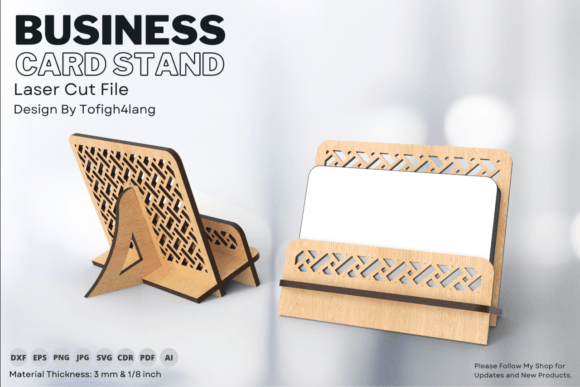
As a blog designer who’s built over 200 editorial sites—and shipped thousands of graphics for newsletters, digital guides, and affiliate content—I opened Business Card Holder SVG Laser Cut File expecting another decorative vector. Instead, I found a quietly powerful graphic design asset that bridges tactile craftsmanship and digital polish.
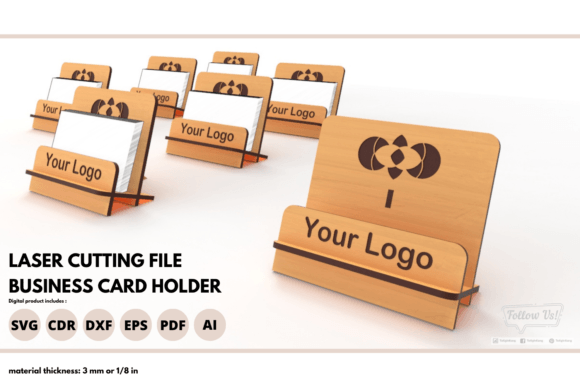
This isn’t just a flat silhouette. It’s a layered, scalable SVG with intentional negative space, clean kerf allowances, and smart grouping—designed for real-world laser cutting but engineered for editorial flexibility. The moment I dropped it into a Figma layout beside a serif headline and muted taupe background, it clicked: this Cardholder with your engraved logo place is used for laser cutting machine translates beautifully to screen-based storytelling. It feels modern design meets small business branding—neither overly corporate nor cutesy. Think warm professionalism: ideal for lifestyle bloggers, creative educators, makers’ marketplaces, and service-based entrepreneurs building trust through visual consistency.
Where This SVG Becomes Editorial Gold
In my last newsletter redesign for a productivity-focused educator, I used Business Card Holder SVG Laser Cut File as the central visual in a digital guide about organizing client onboarding materials. Not as a literal cardholder—but as a symbolic anchor: clean, structured, human-scaled. That same file became the hero image for an affiliate post comparing premium paper goods, then transformed into a Pinterest pin thumbnail with subtle shadow and gold foil texture overlay. Its versatility lies in its balance: minimal enough for web design restraint, detailed enough to feel intentional.
Here’s where it consistently lifts content performance:
- Blog featured images: Adds tangible warmth without competing with headlines—especially effective when paired with soft gradients or neutral photography.
- Newsletter headers: Serves as a subtle brand signature above “This Week’s Resources” sections, reinforcing brand identity without shouting.
- Downloadable resources: Perfect for lead magnets like “Client Onboarding Kit” or “Creative Contract Bundle”—it signals physicality and care in digital delivery.
- Category thumbnails: Gives visual weight to “Tools & Templates” or “Branding Resources” pages, improving category recognition at a glance.
- Canva templates: Works flawlessly as a customizable placeholder in editable social media graphics—users simply swap in their logo where the engraving zone sits.
Why Readers Trust What They See (and Click)
Visual hierarchy isn’t just about size—it’s about perceived effort. A generic flat icon says “stock.” A thoughtfully constructed SVG like this one whispers “I made this for you.” That nuance builds reader trust, especially in niches where credibility hinges on attention to detail: freelance design, coaching, online education, and handmade product marketing.
When embedded in a website header beside navigation text, it adds dimension without clutter. As a social media graphic for an Instagram carousel slide titled “3 Ways to Elevate Your Client Materials,” it grounds abstract advice in something tactile and memorable. And because it’s SVG—not raster—it scales crisply across devices, supporting content marketing that looks equally polished on desktop blogs and mobile email previews.
Smart Placement, Strategic Limits
This digital download shines brightest in high-visibility, low-text contexts: hero images, Pinterest pins, article thumbnails, and content upgrades. Its clean lines and open center create natural breathing room for short headlines or call-to-action overlays.
Use it carefully in these scenarios:
- Small mobile thumbnails: At under 80px height, fine details blur—reserve it for larger display zones.
- Text-heavy blog graphics: Avoid stacking dense paragraphs directly over its engraved zone; contrast drops fast.
- Low-contrast backgrounds: Test against light grays or cream—some laser-cut SVGs lose definition without a subtle drop shadow.
- Serious professional niches (e.g., legal, finance): Its warmth may clash unless softened with monochrome treatment or paired with ultra-minimal typography.
Publisher Notes You’ll Actually Use
Before dropping Business Card Holder SVG Laser Cut File into production, run these checks—no exceptions:
- Test on desktop and mobile: Preview inside your live blog theme, not just Figma or Canva.
- Check thumbnail legibility: Shrink to 150×150px—does the logo engraving zone still read as intentional space?
- Preview with real text: Overlay headline fonts—serif, sans serif, script, and display—to confirm readability and visual harmony.
- Verify contrast: Run through WebAIM’s Contrast Checker if placing over colored backgrounds.
- Try black-and-white: Many laser-cut assets gain elegance in monochrome—great for printables or minimalist brands.
- Review file size: SVGs should be under 15KB for web performance—compress with SVGO if needed.
- Confirm commercial license: Essential for affiliate marketing, paid digital products, and monetized newsletters.
Remember: a printable design only supports your content when it feels native—not tacked on. This Business Card Holder SVG Laser Cut File earns its place because it works *with* your voice, not against it. It turns “organizing business cards” into a visual metaphor for clarity, intention, and craft—exactly what modern creative marketplace audiences respond to.
For bloggers, designers, and small business owners building digital guides, lead magnets, and social media graphics, this isn’t just another design asset. It’s a quiet upgrade in how your content signals quality—before a single word is read.