Nephew Nutrition Facts SVG
A Designer’s First Glance: Playful, Nostalgic, and Just Right for Personalized Gifts
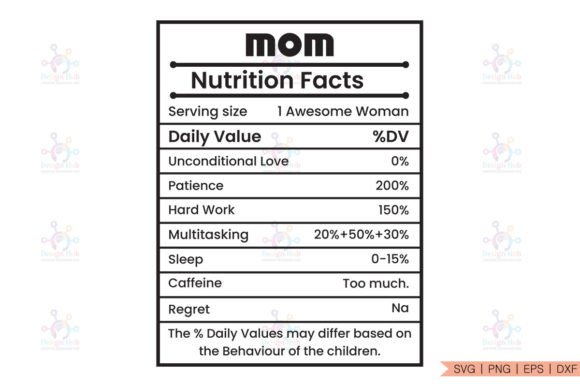
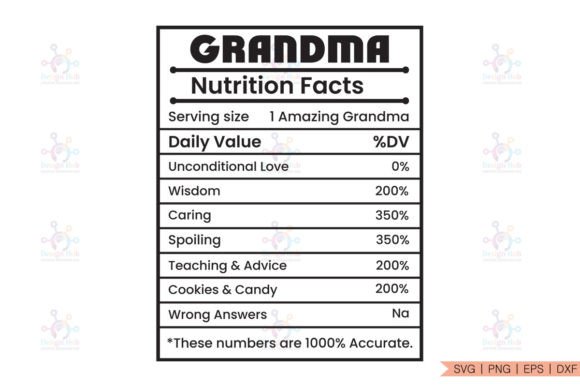
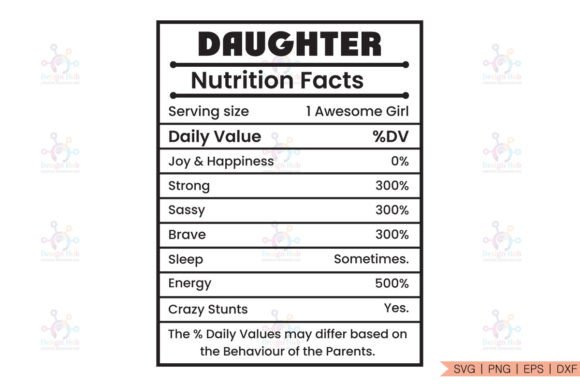
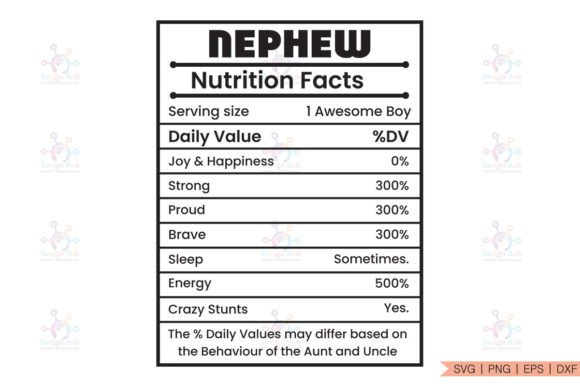
Opening the Nephew Nutrition Facts SVG file feels like unboxing a well-thought-out inside joke—warm, slightly cheeky, and instantly recognizable. The layout mimics a classic nutrition label, but swaps calories and sodium for “Nephew Approved,” “Snack Tolerance: High,” and “Cuteness per Serving: Off the Chart.” It’s not just typography—it’s personality stitched into structure. As an embroidery designer who’s reviewed hundreds of digital files for real-world stitchability, I immediately noticed how cleanly the text aligns, how generously spaced the lines are, and how the border framing avoids tight corners or hairline gaps that fray under satin stitch. This isn’t a novelty clipart throwaway; it’s a machine embroidery design built to hold up—not just on screen, but on fabric.
Where It Shines: Real Projects That Feel Thoughtful, Not Trendy
Last week, I used the Nephew Nutrition Facts SVG to embroider a lightweight cotton tote bag for a client’s baby shower gift. We chose soft heather gray twill, black thread, and a medium-weight tear-away stabilizer. The result? Crisp lettering, balanced fill-stitch density in the header bar, and zero puckering—even across the curved seam near the handle. That’s the sweet spot for this design: personalized gifts with quiet humor and handmade sincerity. It works beautifully on sweatshirt embroidery (especially relaxed-fit crewnecks), tea towels for new uncles, pillow covers for nursery decor, and even embroidered patches sewn onto denim jackets or backpacks. Small business owners selling on Etsy will find it resonates strongly with buyers looking for lighthearted, gender-neutral baby or family-themed items—think “Uncle Life” bundles or holiday embroidery kits for craft fairs.
What to Watch For: Texture, Scale, and Fabric Behavior
This isn’t a one-size-fits-all embroidery file—and that’s a good thing. The Nephew Nutrition Facts SVG relies on clean line work and moderate detail, so it performs best on stable, medium-weight fabrics: cotton poplin, canvas, terry cloth towels, and midweight knits. On thin or stretchy fabric—like baby onesies or lightweight jersey tees—you’ll need cut-away stabilizer and possibly reduced stitch density in the text blocks to prevent shadowing or distortion. Dark fabric demands high-contrast thread (white or neon yellow works well), while textured surfaces like corduroy or heavy fleece may soften the edges of small lettering. And if you’re stitching on caps or curved surfaces, test the top third of the label first—the rounded shape can compress spacing unless you adjust hoop placement carefully.
Stitching Clarity Meets Customer Trust
Here’s what matters when your buyer opens that package: Does it look intentional? Professional? Like something they’d proudly gift or wear? The Nephew Nutrition Facts SVG delivers that impression because its proportions are generous—not cramped, not oversized—and its visual rhythm feels deliberate. There’s breathing room between rows, consistent stroke weight in the “nutrition” font, and no micro-details that vanish after stitching (no 0.5mm icons or serifs lost in fill stitch). That clarity builds trust. A customer scrolling Etsy sees a crisp mockup of this on a cream apron and thinks, “This shop knows what they’re doing.” That perception translates directly to higher conversion, repeat orders, and word-of-mouth referrals among craft communities.
Practical Designer Notes Before You Stitch
- Always test first: Run a sample on scrap fabric matching your final project’s weight and stretch. Check for thread breaks in dense areas and legibility at your intended size.
- Review stitch density: If your machine struggles with tight fills or slow-downs occur in the header bar, simplify fill patterns or reduce density by 5–10%.
- Confirm hoop size: The full label fits comfortably in a 4×4 hoop—but if you’re adding a custom name or date below, plan for 5×7 or larger.
- Inspect small details: Zoom in on the “Serving Size” line and check that punctuation (colons, periods) remains distinct after digitizing.
- Mock it both ways: Preview in black-and-white and grayscale to assess contrast on light vs. dark fabric—especially important for custom apparel sellers.
- Stabilizer is non-negotiable: Use cut-away for knits, tear-away for wovens, and fusible + tear-away for towels or napkins.
- Licensing matters: Since the product description says “useful for all your homemade projects or small business,” confirm whether commercial use of the finished embroidered item is permitted—and whether resale of the digital file itself is allowed.
Beyond the Stitch: Why This Fits Craft Business Strategy
The Nephew Nutrition Facts SVG isn’t just another graphic—it’s a versatile design asset that supports multiple revenue streams. You can bundle it into a “New Uncle Kit” with coordinating wood signs and printable cards. Offer it as a standalone digital embroidery file alongside your physical products. Use it to create consistent branding across social media mockups, packaging inserts, or holiday promo banners. For Etsy sellers, it pairs naturally with seasonal listings—think “Uncle’s First Thanksgiving” or “Holiday Host Uncle” variations. Because it’s rooted in genuine human connection—not forced trends—it ages well. You won’t need to retire it next season.
Final Thought: A Design That Feels Like a Handshake
In a sea of generic quotes and overused icons, the Nephew Nutrition Facts SVG stands out by being specific, warm, and quietly clever. It doesn’t shout. It invites. It fits seamlessly into real embroidery projects, from baby embroidery to boutique merchandise, without demanding special treatment or compromising clarity. As a designer who chooses every file with intention—not just for how it looks on screen, but how it lands in someone’s hands—I keep this one in my go-to folder for personalized gifts, small shop launches, and moments that deserve more than a logo: they deserve character.